
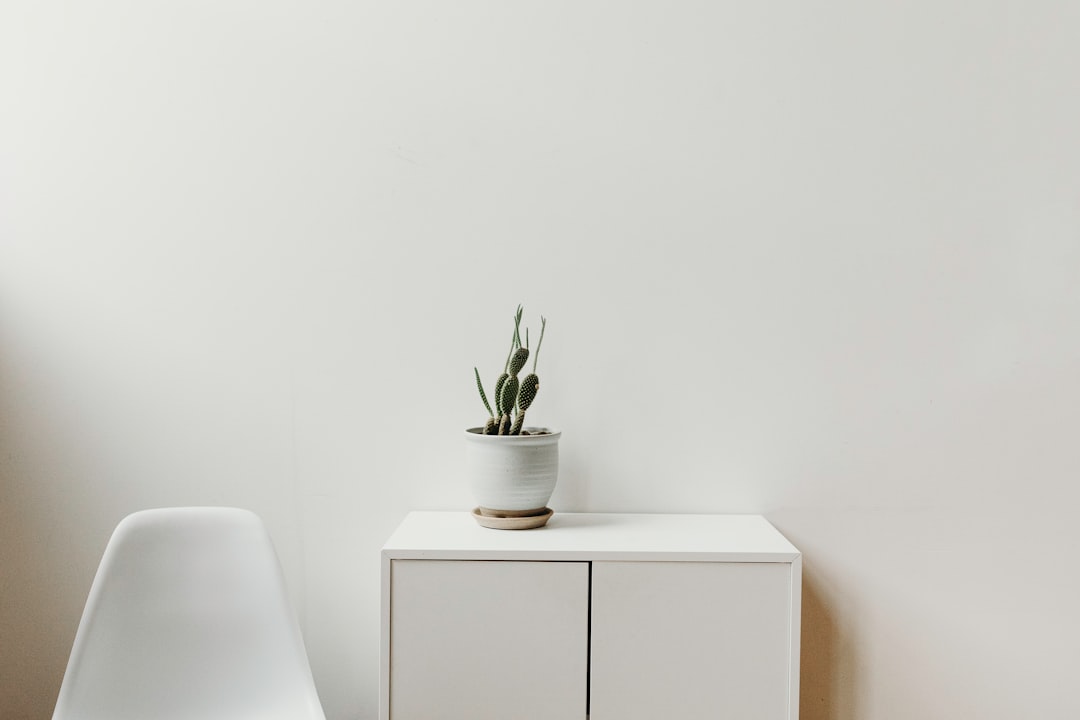
Eco-Friendly Home Decor: Sustainable Style for a Greener Future
Eco-Friendly Home Décor: Where Sustainability Meets Style
In a world where environmental consciousness is more than just a trend—it’s a necessity—every aspect of our lifestyle is being reevaluated through a greener lens. And home décor is no exception. Today, more homeowners and renters are choosing to fill their living spaces with eco-friendly items that reflect not only their aesthetic preferences but also their commitment to the planet.
Sustainable design is about more than just beautiful interiors—it’s about making thoughtful choices that reduce environmental impact and promote well-being. Fortunately, going green no longer means sacrificing style. With a wide array of eco-conscious home décor products available, you can create a space that’s as stunning as it is sustainable.
Sustainable Materials That Speak Volumes
The foundation of eco-friendly décor lies in the materials. Reclaimed wood, for example, is a timeless option that brings warmth and character to any room while giving new life to old resources. Bamboo is another popular choice—it’s fast-growing, renewable, and incredibly versatile. Whether in the form of flooring, light fixtures, or decorative accents, bamboo adds a modern, earthy elegance.
Other standout materials include:
-
Organic Cotton & Linen: Free from harmful chemicals and pesticides, these fabrics are ideal for curtains, pillow covers, and throws.
-
Recycled Metal & Glass: These can be transformed into stunning vases, wall art, or light fixtures, adding a chic, industrial edge to your home.
-
Natural Stone & Clay: Beautiful, durable, and sourced directly from nature, these materials work wonderfully for decorative bowls, tiles, and planters.
Upcycled & Handmade Treasures
One of the most impactful ways to decorate sustainably is by choosing upcycled or handcrafted décor. Upcycling gives discarded or forgotten items a second life, turning them into one-of-a-kind pieces full of history and charm. Think vintage suitcases as side tables, old doors repurposed into headboards, or mason jars transformed into pendant lights.
Handmade items, especially those sourced from local artisans or fair-trade cooperatives, not only support ethical labor but also ensure that your décor has a personal, soulful touch. These pieces often have a story behind them—something mass-produced items simply can’t replicate.
Low-Waste and Non-Toxic Design Choices
Sustainability also extends to the manufacturing and finishing processes. Opt for:
-
Non-toxic paints made from natural pigments and free of volatile organic compounds (VOCs), which are healthier for your indoor air.
-
Biodegradable rugs and carpets made from jute, sisal, or wool.
-
Energy-efficient lighting such as LED bulbs or solar-powered garden lights, which reduce energy consumption and last longer.
Indoor Plants: Natural Beauty & Clean Air
Houseplants are the ultimate eco-friendly décor item. They not only add lush greenery and a calming vibe to your space, but also improve air quality by filtering out toxins. Popular choices include snake plants, pothos, and peace lilies—all known for their air-purifying properties and easy maintenance.
Pair your plants with biodegradable planters made from coconut husk, recycled paper, or bamboo fiber to keep the theme going strong.
Tips for Greener Decorating
-
Buy less, choose well. Go for quality over quantity and invest in pieces that are built to last.
-
Shop secondhand. Thrift stores, flea markets, and online resale platforms are treasure troves for unique finds.
-
Repurpose before replacing. Can that old cabinet be refinished or repainted? Could that chair be reupholstered instead of tossed?
Final Thoughts: A Greener, More Beautiful Home
Creating a beautiful home and protecting the planet are not mutually exclusive goals. By choosing eco-friendly décor, you’re making a powerful statement—one that says style doesn’t have to come at the earth’s expense. Every piece you choose, every conscious decision you make, is a step toward a greener, more responsible lifestyle.